Elevating Design in KSA: The Power of Architectural 3D Modeling Services

0 comments
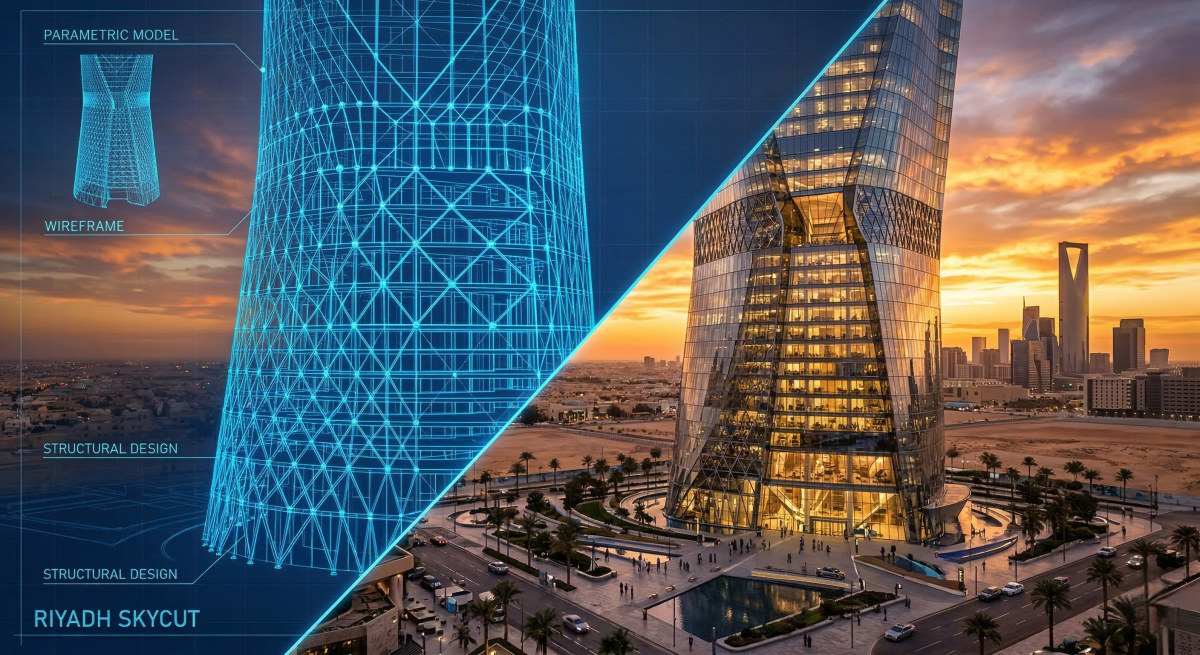
Look at the rapidly changing skylines of Riyadh, Jeddah, or NEOM, and one thing becomes immediately clear: Saudi Arabia is in the middle of an architectural renaissance. Driven by the ambitious goals of Vision 2030, the Kingdom is building bigger, smarter, and faster than ever before.
But bringing these massive concepts to life comes with a unique challenge. How do you sell a multi-million-riyal vision to investors, project boards, or future buyers when the project is still just an idea?
The truth is, flat 2D blueprints and traditional floor plans simply don't cut it anymore. Stakeholders don't just want to see the dimensions of a building; they want to feel the space, understand the lighting, and explore the textures before a single shovel hits the dirt.
This is where architectural 3D modeling bridges the gap between imagination and reality. It takes complex engineering and design data and transforms it into immersive, photorealistic visuals. Whether you are developing a luxury residential complex or a massive commercial hub, high-quality 3D modeling isn't just a design tool anymore, it is your most powerful asset for communication, problem-solving, and sales.
Here is what it takes to transform a basic concept into a winning visual.
Transform Your Vision: The Core of Elite Architectural 3D Modeling Services
The architectural landscape is evolving faster than ever. To win bids and secure funding in today's competitive market, modern architects and developers need more than just great ideas, they need the ability to communicate them flawlessly.
This is where advanced architectural 3D modeling services become an indispensable tool.
By acting as a translation layer between technical engineering and human emotion, 3D modeling takes complex CAD files and structural data and transforms them into stunning, immersive realities. It allows stakeholders to walk through a lobby, see how natural light hits a facade at 4:00 PM, and make critical design decisions long before construction begins.
In this guide, we are going to break down the exact framework for leveraging these services. We will explore:
- The fundamental importance of 3D modeling in modern architecture.
- The different rendering techniques available for your projects.
- The key features that separate "average" 3D models from high-converting visual assets.
- How to choose the right 3D modeling partner to guarantee your project's success.
The Strategic Importance of 3D Modeling in Modern Architecture
Let's be honest: expecting a non-technical investor or a corporate board to look at a 2D floor plan and "visualize" a multi-million-riyal asset is a massive risk. There is always an imagination gap, and where there is an imagination gap, there is hesitation.
Architectural 3D modeling completely removes that friction. It has shifted from being a "nice-to-have" presentation tool to a non-negotiable project requirement. Here is why:
- Eliminating the "Imagination Gap" (Total Alignment) Unlike traditional 2D blueprints that leave too much to interpretation, 3D models provide an uncompromising, realistic view of the final structure. Whether you are presenting to a client or handing files to a construction team, a 3D model ensures everyone is aligned on the exact same vision from day one.
- Catching Expensive Mistakes Before Construction Finding a design clash or a lighting issue in a 3D environment costs nothing to fix. Finding that same issue on a live construction site in Riyadh costs thousands of riyals and weeks of delays. 3D modeling gives you the flexibility to experiment with materials, textures, and spatial layouts, identifying potential flaws long before the concrete is poured.
- Driving Faster Client Approvals & Pre-Sales When clients can take a virtual walkthrough of their future property, seeing exactly how the sunlight hits the marble floors at noon, their confidence skyrockets. High-quality 3D renders don't just show a building; they sell a lifestyle and an outcome, accelerating approvals and off-plan sales.
- Proving Technical & Environmental Viability Beyond aesthetics, 3D models serve a vital technical purpose. The underlying data can be used to run structural analysis, simulate energy efficiency, and perform environmental assessments to ensure the building meets strict safety and sustainability standards.
Key Features of Quality 3D Modeling Services
When you are vetting a partner for architectural visualization, you cannot afford to settle for basic representations. The difference between a mediocre render and a premium 3D model is often the difference between a hesitant client and a signed contract.
If you want your project to succeed, your 3D modeling service provider must deliver on these three non-negotiable features:
1. Uncompromising Accuracy and Precision
High-quality 3D modeling goes far beyond making a building look attractive. It requires millimeter-perfect precision. A top-tier service ensures that every structural element is represented exactly as it appears in the CAD files. From the routing of MEP (Mechanical, Electrical, and Plumbing) systems to the exact thickness of a load-bearing wall, absolute accuracy is required. This meticulous attention to detail guarantees that your virtual model perfectly matches the final construction blueprint. The result is a drastic reduction in onsite clashes, minimizing costly rework during the build phase.
2. True Photorealism and Contextual Lighting
Flat lighting and generic textures will instantly cheapen a high-end architectural concept. Premium 3D modeling services utilize advanced rendering engines to simulate real-world physics. They calculate exact sun paths, authentic material reflectivity, and accurate shadows. Whether it is the natural grain of a hardwood floor or the exact glare on a glass facade at sunset, true photorealism evokes an emotional response. It allows investors to truly feel the space, which is critical for pre-selling luxury real estate and justifying high project valuations.
3. Immersive Interactivity and Virtual Tours
Static images only tell a fraction of the story. The most effective architectural 3D modeling services now offer deeply interactive experiences. This includes virtual reality walkthroughs, 360-degree panoramas, and real-time fly-throughs. Allowing a stakeholder to actively explore a space and experience the true scale of a room builds immediate trust. Furthermore, interactive models can be shared instantly across the globe. This speeds up the feedback loop between architects, international investors, and local construction teams.
Types of Architectural 3D Modeling Techniques
Not every project requires the exact same technical approach. The 3D modeling technique you choose will directly impact your project timeline, your budget, and the final utility of the virtual asset. Depending on your specific goals, professional 3D modeling services will utilize one of three primary methodologies.
1. Polygonal Modeling for High-End Visual Marketing
Polygonal modeling is the industry standard for creating breathtaking, photorealistic visuals. This technique involves building a detailed 3D mesh using thousands of interconnected polygons to form the surface of an object. Because it allows for incredible versatility and intricate detailing, this is the go-to method for interior design staging, exterior facade rendering, and virtual walkthroughs. If your primary goal is to create stunning marketing materials to secure early investor funding or drive off-plan real estate sales, polygonal modeling provides the highest level of artistic realism.
2. Parametric Modeling for Complex and Adaptive Designs
Modern architecture frequently features sweeping curves, unconventional angles, and futuristic layouts. Parametric modeling handles these complex requirements by using algorithms and mathematical functions to define the building geometry. The greatest business advantage of this technique is its flexibility. If a client requests a sudden change to the curvature of a roof or the height of a tower, the underlying algorithm automatically updates the entire connected structure. This eliminates hundreds of hours of manual revisions and makes it the perfect solution for highly customized, adaptive architectural designs.
3. BIM (Building Information Modeling) for Complete Lifecycle Management
While standard 3D models focus heavily on visual representation, Building Information Modeling (BIM) goes much further. BIM integrates a 3D visual model with comprehensive, real-time data management. A true BIM model includes exact specifications for construction materials, structural load limits, MEP (Mechanical, Electrical, and Plumbing) routing, and even future maintenance schedules. This holistic approach acts as a single source of truth for the entire project lifecycle. It guarantees seamless collaboration among architects, structural engineers, and on-site contractors, ultimately preventing expensive data silos and construction delays.
Benefits of Using 3D Modeling in Architectural Projects
The decision to invest in professional 3D modeling goes far beyond creating beautiful marketing images. It is a strategic business move designed to protect project margins, accelerate timelines, and mitigate risk. When you integrate advanced visualization into your workflow, you unlock several measurable advantages that directly impact your bottom line.
1. Eliminating Costly Construction Errors
Traditional flat blueprints leave entirely too much room for human error and contractor misinterpretation. A comprehensive 3D model acts as a single source of absolute truth for your entire team. It provides a flawless digital replica of the intended structure, drastically reducing the chance of misaligned spatial elements. By catching these design clashes early, you prevent expensive rework and material waste once the physical building phase begins.
2. Accelerating Approvals and Securing Capital
Getting a green light from municipal planners, regulatory authorities, and private investors is notoriously difficult when relying on 2D drawings. An immersive 3D model instantly bridges that communication gap. When stakeholders can take a virtual tour of the property and see the exact final outcome, you build immediate confidence and trust. This visual clarity is the ultimate tool for securing project funding and fast tracking necessary government approvals.
3. Proactive Performance and Sustainability Testing
Modern developers face strict environmental and structural regulations. Highly detailed 3D models allow your engineering team to run complex real world simulations before buying a single piece of physical material. You can test structural load capacities, evaluate energy efficiency, and optimize natural sunlight exposure. Finding and fixing these vulnerabilities during the digital design phase ensures your building is safe, highly sustainable, and fully compliant with modern architectural standards.
How to Choose the Right 3D Modeling Service Partner
Hiring an architectural visualization company is a major commercial investment. Choosing an inexperienced agency often results in missed deadlines, unrealistic renders, and frustrated stakeholders. To protect your project and your reputation, you must evaluate potential partners based on strict professional criteria.
1. Industry Specific Expertise and Portfolio Quality
Do not just look for attractive images when reviewing a portfolio. You need to verify that the agency truly understands your specific sector. A firm that primarily renders small residential homes will likely struggle with the complex engineering requirements of a massive commercial facility. Look for hyper realistic textures, accurate lighting, and a proven track record of successfully handling projects of your exact scale.
2. Comprehensive Service Capabilities
Your project requirements will likely evolve as the design matures. You might start needing basic exterior renders and suddenly require a full virtual reality walkthrough for a major investor pitch. Select a partner that offers a comprehensive suite of services under one roof. Working with a company that masters exterior rendering, interior staging, animation, and BIM integration prevents you from having to juggle multiple different vendors.
3. Enterprise Grade Technology and Software
The quality of your final asset depends heavily on the tools used to build it. Ask potential partners about their specific technology stack. They should be utilizing industry leading rendering engines and advanced parametric modeling software. A firm investing in top tier technology guarantees your models are visually stunning and packed with highly accurate architectural data.
4. Transparent Workflow and Strict Deadline Management
The most beautiful 3D model is entirely useless if it arrives two days after your board meeting. Inquire deeply about their project management process before signing a contract. A reliable engineering partner will offer a clear timeline, transparent communication, and structured feedback loops to guarantee the project stays perfectly on budget and on schedule.
The Professional Software Stack Powering Elite 3D Modeling
Producing flawless architectural visualizations requires more than just artistic talent. It demands immense computing power and enterprise grade software. When you partner with a premium 3D modeling agency, you are directly benefiting from their investment in the most advanced technology available today. Here are the core platforms that industry leaders use to bring your projects to life.
1. Autodesk Revit for Comprehensive BIM Integration
Revit is the undisputed industry standard for Building Information Modeling. Professional engineers rely on Revit because it goes far beyond simple aesthetics. It allows the creation of data dense models that integrate structural integrity, mechanical routing, and material limits. The parametric design engine inside Revit means that if an architect changes the height of a ceiling, the software automatically recalculates the walls, piping, and spatial requirements across the entire project.
2. SketchUp for Rapid Spatial Prototyping
When developers need to visualize initial concepts and spatial layouts quickly, SketchUp is the tool of choice. It is highly versatile and perfect for rapid design iteration during the early phases of a project. Expert 3D artists utilize SketchUp alongside extensive custom plugins to quickly assemble complex architectural geometries. This allows clients to review multiple design variations and make structural decisions before committing to the heavy rendering phase.
3. Autodesk 3ds Max for Premium Photorealistic Rendering
When it is time to present a project to high net worth investors or launch a major real estate marketing campaign, 3ds Max is the ultimate weapon. This software excels at generating breathtaking photorealistic visuals and cinematic fly through animations. By utilizing advanced algorithms for global illumination, accurate shadow casting, and realistic material textures, 3ds Max transforms a sterile digital model into a compelling visual masterpiece that drives sales and secures funding.
Case Studies of Landmark Projects Built on 3D Modeling
Global architectural marvels do not happen by accident. They require absolute precision and intense structural coordination long before a single piece of steel arrives on site. Examining the most famous buildings of our era proves that advanced 3D visualization is the secret weapon behind every successful mega project.
1. Marina Bay Sands in Singapore
This iconic integrated resort features three massive towers supporting a continuous cantilevered sky park. Traditional 2D engineering could not accurately predict the complex load distribution required for this unique shape. Comprehensive 3D modeling allowed the architects to virtually simulate wind resistance and structural stress. This guaranteed structural integrity and allowed the developers to confidently execute an incredibly ambitious geometric vision.
2. Apple Park in Cupertino
The enormous circular campus known as Apple Park relied entirely on a unified 3D modeling workflow to manage its staggering scale. The building features thousands of custom curved glass panels that required absolute perfection during manufacturing. The digital 3D model acted as the central hub for the global supply chain, allowing fabricators and onsite construction teams to coordinate their efforts seamlessly. This proves that visualization is a critical construction management tool.
3. Elbphilharmonie in Hamburg
This stunning concert hall features a sweeping glass facade and a highly complex internal acoustic design. The architects used advanced algorithmic 3D modeling to physically carve out the perfect internal geometry for optimal sound reflection. The digital model allowed the team to balance breathtaking aesthetic beauty with strict acoustic engineering requirements.
Bringing Global Standards to Saudi Arabia
Today, this exact same enterprise tier technology is powering the massive industrial transformation across Saudi Arabia. From the futuristic landscapes of NEOM to the luxury commercial developments in Riyadh, local developers are utilizing these exact 3D modeling techniques. Partnering with a premium visualization agency allows Saudi developers to secure global investments and guarantee structural perfection on their own landmark projects.
Future Trends Shaping Architectural 3D Modeling
The architecture and construction sectors are undergoing a massive technological shift. The agencies and developers who adopt these emerging visualization trends will ultimately win the most lucrative contracts. Staying ahead of the curve is no longer optional for securing high value projects.
1. Immersive Virtual Reality and Augmented Reality
The days of staring at a flat monitor are coming to an end. The integration of Virtual Reality and Augmented Reality into the 3D modeling process is transforming how properties are sold and approved. Instead of just looking at a rendering, investors can put on a headset and physically walk through a virtual lobby in Riyadh before the foundation is even poured. This unparalleled level of experiential engagement almost guarantees stakeholder buy in.
2. Artificial Intelligence and Workflow Automation
Artificial intelligence is set to completely revolutionize the speed of architectural modeling. Advanced AI algorithms are now capable of automating repetitive drafting tasks and instantly optimizing a building for strict energy efficiency standards. This massive increase in automation allows elite engineering firms to focus their efforts entirely on structural innovation, creative problem solving, and rapid project delivery.
3. Generative Design for Maximum Profitability
Generative design is a process where advanced algorithms generate hundreds of viable architectural layouts based on your specific project constraints. By inputting budget limits, spatial requirements, and environmental factors, developers can instantly review a vast array of possibilities. This allows project managers to discover the absolute most profitable and sustainable use of their land, unlocking innovative solutions that a human mind might have easily overlooked.
Conclusion: Elevating Your Architectural Vision with Elite 3D Modeling
Architectural 3D modeling is no longer just a digital luxury. It is a fundamental business requirement for anyone looking to design, fund, or construct major real estate developments today. Relying on flat 2D drawings in a rapidly expanding market like Saudi Arabia is a massive commercial risk. You need absolute accuracy, stunning photorealism, and seamless stakeholder alignment to get your ambitious projects off the ground.
Choosing the right engineering and visualization partner is the most critical decision you will make during the early phases of your development. You need a dedicated team that understands local building standards, utilizes enterprise grade software, and delivers immersive visual assets perfectly on schedule. By partnering with the right experts, you completely eliminate construction guesswork and guarantee that your final physical build matches your exact initial specifications.
Al Takamul OmarTech Engineering provides world class architectural visualization alongside comprehensive project integration. We help architects, developers, and investors across the Kingdom transform complex blueprints into highly profitable realities.
Are you ready to accelerate your project approvals and secure your next big investment? Contact our expert engineering team today and let us bring your exact architectural vision to life.